Caramel Candy Font: A Flowing Handwritten Typeface for Digital Elegance
Caramel Candy for Wedding Invitations and Elegant Branding
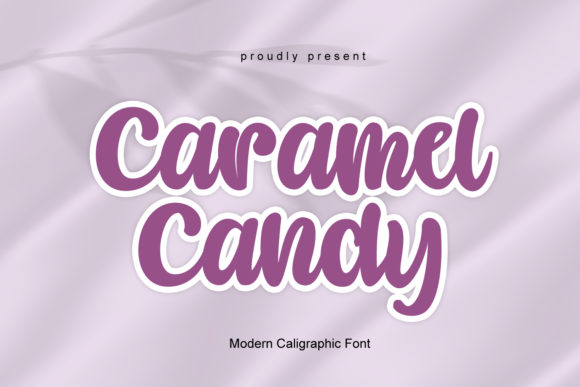
Caramel Candy is a flowing handwritten font designed with an elegant touch — making it ideal for wedding invitations, boutique brand identities, and luxury digital experiences. As a Script Handwritten typeface, it brings warmth and intentionality to headers, hero banners, and email headers where emotional resonance matters most. Unlike generic script fonts, Caramel Candy balances legibility with artistry: its open counters and consistent stroke rhythm ensure readability at 36px+ on desktop and 28px+ on mobile — critical when users scan invites or brand guidelines on-the-go. Use Caramel Candy for “RSVP by June 15” headers, monogrammed thank-you cards, or the “Our Story” section of a wedding site — always pairing it with a clean sans serif like Inter or Manrope for body text to preserve visual hierarchy and accessibility.
Caramel Candy for Landing Page Hero Headlines and Conversion-Focused Layouts
Caramel Candy is a flowing handwritten font that commands attention without sacrificing sophistication — a rare combination in conversion-focused layouts. When deployed as a hero headline (e.g., “Your Dream Home, Thoughtfully Designed”), it signals craftsmanship and human-centered values, increasing perceived trust for interior design studios, architecture firms, or artisanal service brands. As Fonts go, Caramel Candy performs best at larger sizes (48–90px) with generous letter spacing (tracking +40–80) to prevent visual crowding. Avoid using it for subheadings under 24px or paragraph text — its Script Handwritten nature prioritizes expressive impact over extended reading. For A/B-tested landing pages, pair Caramel Candy with a neutral, high-contrast sans serif (e.g., Montserrat Bold) for CTAs and feature bullets to guide the eye toward conversion points.
Caramel Candy for Online Store Banners and Boutique Product Pages
Caramel Candy is a flowing handwritten font that adds tactile charm to online store banners — especially for handmade goods, candle shops, organic skincare, or curated fashion labels. Its incredibly distinct and timeless style elevates product titles (“Hand-Poured Soy Candle — Lavender & Sage”) without competing with imagery. As Fonts go, Caramel Candy shines in SVG or WOFF2 webfont formats embedded via @font-face, ensuring crisp rendering across Chrome, Safari, and Firefox. For mobile responsiveness, apply font-size: clamp(24px, 4vw, 36px) to maintain proportionality. Use it sparingly: once per banner, never on price tags or size selectors. Pair with a warm neutral serif like Lora for product descriptions to reinforce editorial credibility while keeping Caramel Candy as the sole expressive voice.
Caramel Candy for Blog Headers and Content Section Accents
Caramel Candy is a flowing handwritten font that transforms static blog headers into memorable entry points — think “Behind the Recipe” on a food blog or “Studio Notes” on a ceramicist’s journal. Its Script Handwritten quality invites intimacy, encouraging longer dwell time when paired with ample whitespace and soft background tints. For accessibility, always set Caramel Candy headers against light or muted backgrounds (avoid dark-on-dark overlays), and never reduce opacity below 90%. Use it exclusively for H2s or decorative dividers — never for inline links or captions. When building a brand kit, include Caramel Candy as your primary display font alongside a tested body font (e.g., Open Sans) to ensure cross-browser consistency in newsletters, Notion templates, and CMS-driven blogs.
Caramel Candy for Creative Portfolio Sites and Designer Brand Kits
Caramel Candy is a flowing handwritten font built for creators who want their portfolio to reflect personality before pixels. Its elegant touch makes it perfect for “Selected Work”, “About Me”, or “Let’s Collaborate” sections on personal sites — especially for illustrators, calligraphers, and branding designers. As Fonts go, Caramel Candy supports standard Latin characters and common punctuation; verify multilingual support if targeting EU or LATAM markets. For digital brand kits, use Caramel Candy only in logo lockups, social media story highlights, and presentation slide titles — never in navigation menus or footer links. Export vector versions for Figma libraries and confirm WOFF2 + variable font compatibility if embedding in Webflow or Shopify themes.
Caramel Candy for Email Subject Lines and Social Media Graphics
Caramel Candy is a flowing handwritten font that stands out in crowded inboxes and Instagram feeds — but only when used intentionally. Its incredibly distinct and timeless style creates instant recognition for newsletter subject lines (“You’re Invited ✨”) or Instagram carousel covers (“3 Ways to Style Linen”). As Script Handwritten Fonts, they’re not renderable natively in email clients, so export as PNG with transparent background and embed as images — always pairing with alt text and fallback sans serif in the email body. On social graphics, limit Caramel Candy to one line of copy per frame, centered, with minimum 40px height at 72dpi. Never stretch or skew the font — its elegance lives in natural flow.
Caramel Candy Licensing for Client Websites and Commercial Digital Projects
Caramel Candy is a flowing handwritten font licensed for commercial use — meaning you can deploy it confidently across client websites, SaaS dashboards, e-commerce banners, digital course sales pages, and branded UI kits. As Fonts go, verify your license includes WOFF2 webfont files, unlimited domains, and resale rights if bundling into Figma templates or Shopify themes. Avoid free alternatives that mimic Caramel Candy’s style — inconsistent kerning and missing OpenType features hurt professionalism. For long-term scalability, choose a vendor that offers lifetime updates and multilingual expansion packs. When presenting to clients, position Caramel Candy not as decoration, but as a strategic tone-setting tool: it communicates care, authenticity, and intentionality — all measurable drivers of engagement and retention in digital experiences.